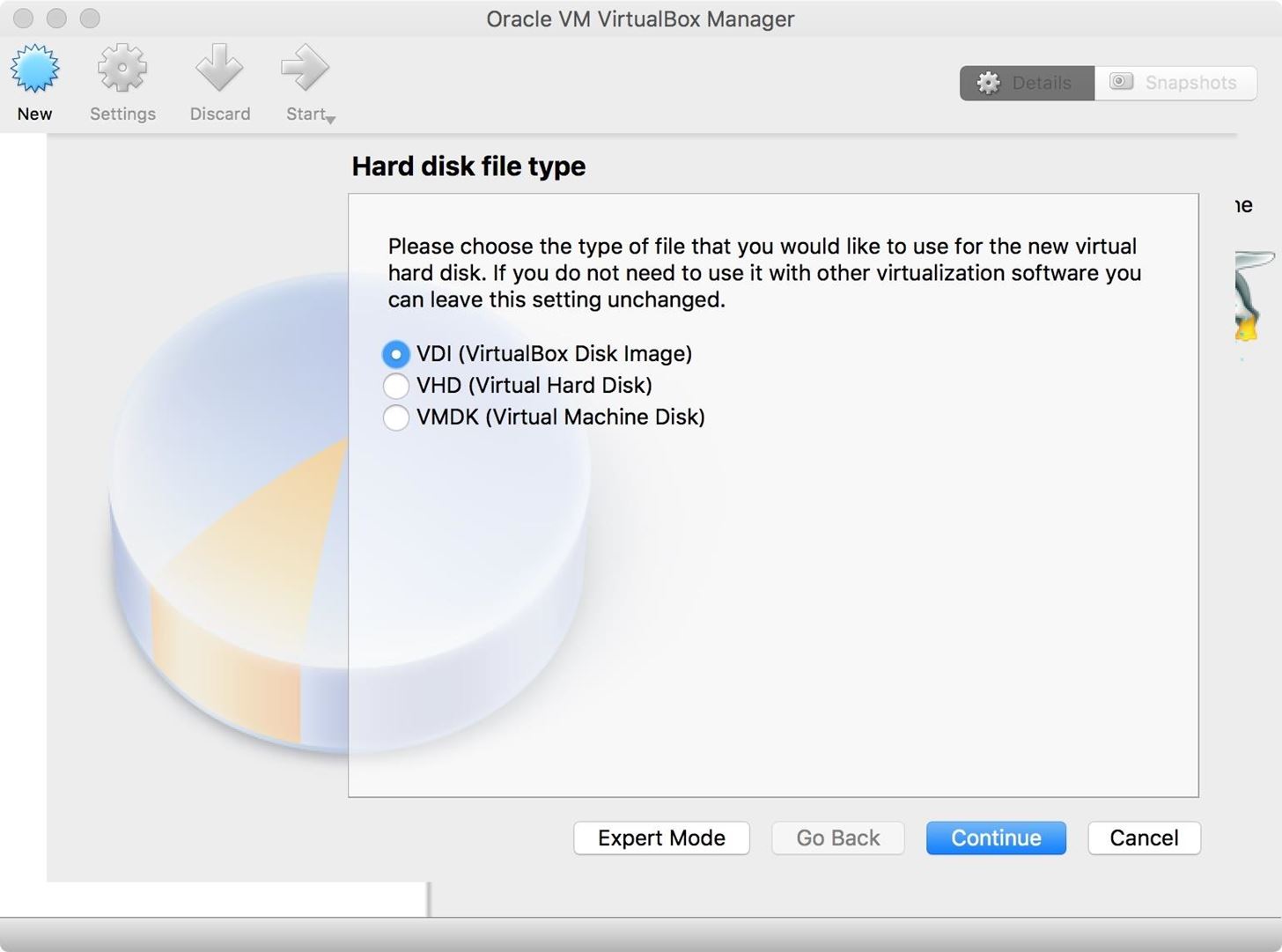
Mar 02, 2009 In Fusion 2.0.x you can also shutdown your existing VM and use the VMDKmounter to mount your current VMs disk in Finder. You can then build the new VM by mounting the.iso image from its' location on the mounted Virtual Disk. An.exe image will work for upgrading your existing virtual machine (for example, Windows 7 to Windows 8), but it won’t work to create a brand new VM. Let me guide you through the steps to set up your VM with a Windows.exe file.
ISO files are particularly useful if you want to. Although, you should note that some DRM copy protection schemes won’t work with ISO files, unless you jump through additional hoops. ISO files are also great for things like providing a disc to a, or just saving a copy of a disc so that you can recreate it in the future if you need to.
Windows RELATED: Windows doesn’t have a built-in way to create ISO files, although modern versions of Windows— Windows 8, 8.1, and 10—can all without any additional software. RELATED: To actually create an ISO file from your own physical disc, you’ll need a third-party program. There are lots of tools that can do this, but you need to be careful because many of them are packed with. As always, we recommend to grab tools of all sorts.
On the ISO front, Ninite includes tools like,,. Just be sure to download them through Ninite. Some of these programs—like ImgBurn—do include junkware in their installers if you get them from elsewhere. After you choose and install one of these tools, all you really have to do is insert a CD or DVD into your PC, click the option for reading a disc or creating an ISO, and then select a location to save the ISO file. MacOS RELATED: On a Mac, you can to create images of discs.
To open it, press Command+Space to open the Spotlight search box, type “Disk Utility”, and then press Enter. Insert a disc, click the File menu, and point to New > Disc Image from [Device]. Select “DVD/CD master” as the format and leave encryption disabled. Disk Utility will create a.cdr file from the disc. On a Mac, this is practically as good as an ISO file. You can “mount” it from within the Disk Utility application by clicking File > Open Disk Image. Assuming you just want to use the.cdr file on a Mac, you can leave it as a.cdr file.
Add another $4.99 each for iMovie and iPhoto, and the total package comes to $40 . Alongside the freemium GarageBand, meanwhile, Apple is now offering its iWork and iLife productivity suites for free for those purchasing a new Mac or iOS 7 device. How to use garageband mac. GarageBand landed on the iPad, while the iPhone and iPod touch version followed for $5 or as a free upgrade for those who already purchased it on their tablet. 'This is the biggest day for apps in Apple's history,' Eddy Cue, Apple senior vice president of Internet Software and Services, said in a statement. Each of the iWork suite apps Pages, Numbers, and Keynote costs $9.99 separately, making the full set a $30 purchase.
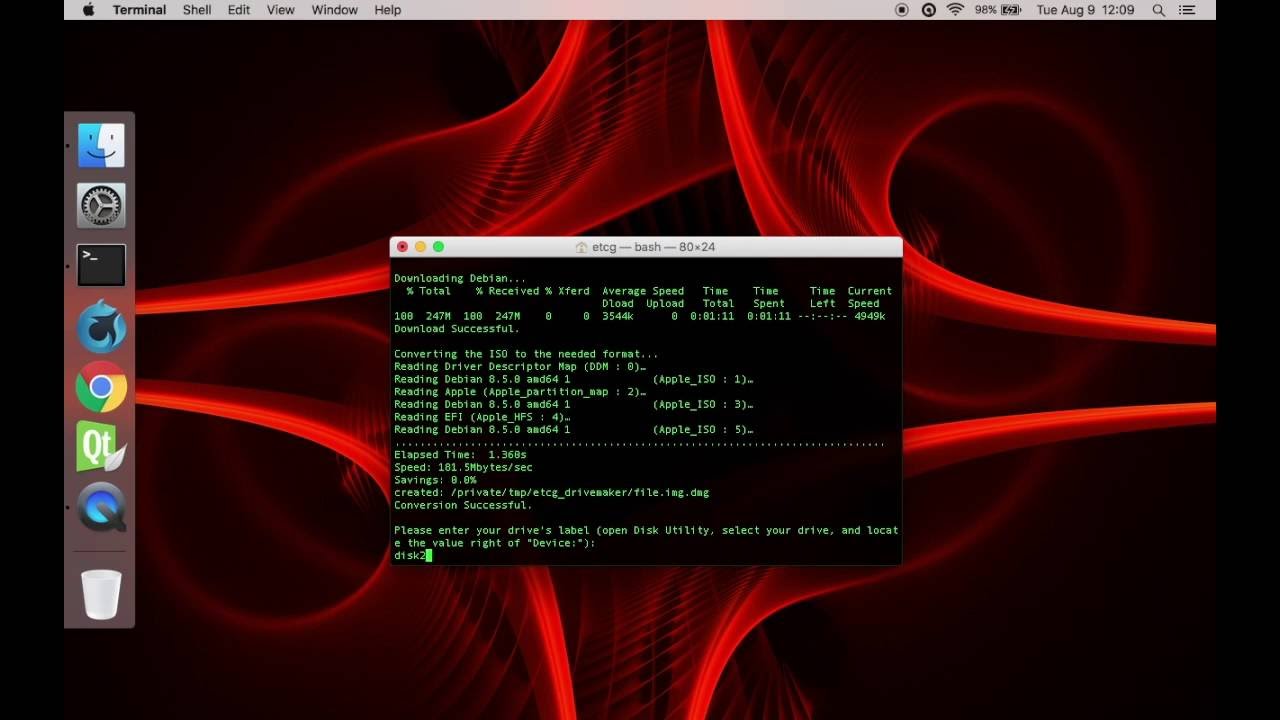
If you want to convert it to an ISO file to use on other operating systems, you can do so with a Terminal command. Open a Terminal window and run the following command: hdiutil convert /home/username/original.cdr -format UDTO -o /home/username/destination.iso Replace “/home/username/original.cdr” with the path to the CDR file and “/home/username/destination.iso” with a path for the ISO file you want to create.
In many cases, you may be able to rename the.cdr file to an.iso file and be done with it, but this method doesn’t always work. We recommend sticking with the terminal command. Linux On Linux, you can create an ISO file from the terminal or with any disc-burning utility your Linux distribution may include. For example, Ubuntu uses the Brasero disc-burning utility. Open the Brasero Disc Burner, click “Disc Copy,” and then you can copy an inserted disc to an “Image File.” Other Linux distributions and desktops may include similar tools. Look for a CD/DVD-related utility and it should have an option to copy a disc to an ISO disc image file.