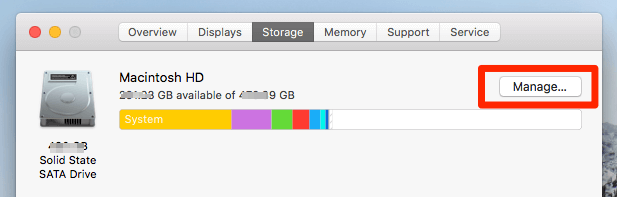
It’s spring again, and with the new season comes the age-old ritual of cleaning out things you ignored for most of the year. Far be it from me to suggest that you clean out your basement, garage, or attic, but I would be remiss if I didn’t recommend you take a closer look at the crusty corners of your Mac. Last year, Chris Breen shared valuable —all of which are worth revisiting. But I also want to draw your attention to a half-dozen digital dust bunnies that you might not have considered: 1. Get rid of old iChat logs If you use iChat, you can have the program store logs of your chats.
How to password protect a document in word. How to password protect document in Word 2011 for Mac This article is about the settings available to protect a document in Word 2011 for Mac. Word 2011 allows users to password protect a document with the following security options. Protect a form in Word for Mac 2011 I have created fairly complex registration forms with editable text fields. I went to Word > Preferences> chose to protect Forms and password protected the forms. In security dialog box, Set password to open and modify.After setting passwords click ok. A conformation dialog box will appear. Type Password to open and modify again. You can help prevent unauthorized users from opening a document or from modifying a document even if they have permission to open it. You can also protect your document by specifying how or whether others can leave feedback. Protect your document from being opened or edited. Click Review > Protect Document. Step 1: Open your document in Word for Mac 2011. Step 2: Click Word at the top of the screen, then click Preferences. Step 3: Click the Security button at the bottom of the window.
The latest version of Dr. Cleaner supports the cleanup of user cache and system files, but stops at removing application language packs due to safety considerations: for certain software, there might be program errors once the language pack is removed.
(Go to iChat -> Preferences, click on Messages, select Save Chat Transcripts To, and then choose a folder.) By default, the program saves transcripts in a folder called iChats in your Documents folder, but you can choose a different location to store these files. With this preference set, iChat saves a log file of every chat. This is a great idea (and especially helpful at work) if you often need to refresh your memory about a conversation. But if you send images inline during chats, these files may take up a lot of space. If you look inside the iChats folder, you’ll see that the files are organized by date. While you may want to save recent chat logs, you may have months of files you can trash, saving a lot of disk space. Delete application backups Many programs offer automatic backups, and store copies of files in a selected folder, just as iChat saves chat logs.
Two programs I use often—Bare Bones Software’s and The Omni Group’s —do this. Some applications, such as OmniFocus, let you choose the location for the backups; others, like BBEdit, don’t. BBEdit stores its backups in a BBEdit Backups folder in my Documents folder; I have OmniFocus store its backups in my Documents folder as well. If you use any application that saves backups, you may find that it has tucked away several gigabytes of duplicate files, depending on how the program saves them. (BBEdit saves a new backup every time you save a file.) Deleting these backup files can save space, and make much easier. While you’re at it, check in youruserfolder/Music/iTunes folder; you may find a Previous Libraries folder, which includes copies of your iTunes libraries that were saved after you installed a new version.
Get rid of Mail downloads When you receive attachments to e-mail messages in Apple’s Mail, the files are stored with your messages at first. But if you double-click an attachment to view it, or if you use QuickLook to glance at it, Mail stores a copy in your youruserfolder/Library/Mail Downloads folder. You may have dozens of files here occupying a huge amount of space. You can generally delete these without worry. If you still have the original messages, the attachments are part of those messages.